


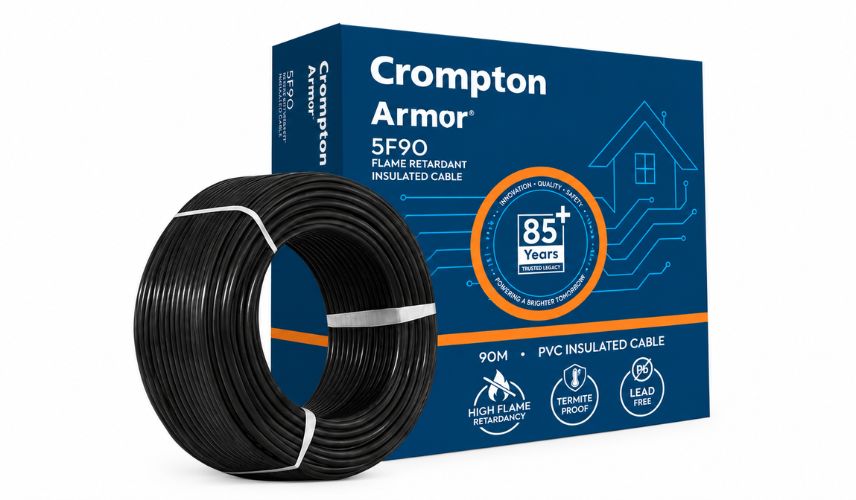
Safety and Performance Start with Proper Wire Insulation
Electrical wiring is an essential part of homes, commercial buildings, factories, offices, and infrastructure projects. While the metal conductor inside a wire carries electrical current, the outer insulation plays an equally important role in keeping the electrical system safe and reliable. Among the most widely used insulating materials, PVC (Polyvinyl Chloride) is preferred because it offers a practical combination of electrical insulation, mechanical protection, durability, and cost-effectiveness.
The choice of insulation becomes especially important when selecting Wires And Armor for different electrical installations. A properly coated wire can help reduce the risk of electrical faults, protect the conductor from external conditions, and support long-term performance. Understanding why PVC coating is used can help buyers, electricians, contractors, and project managers make more informed wiring decisions.
What Is PVC Insulation in Electrical Wires?
PVC insulation is a protective layer placed around the conductive core of an electrical wire or cable. The conductor is generally made from copper or aluminium, while the PVC layer separates the conductor from the surrounding environment.
PVC is a thermoplastic material that can be formulated to provide different levels of flexibility, temperature resistance, flame resistance, and mechanical protection depending on the intended application.
How PVC Protects the Conductor
The conductor inside a wire must remain electrically isolated from other conductors, metal surfaces, and people. PVC creates a non-conductive barrier around the conductor. This barrier helps prevent unwanted electrical contact and supports the safe transmission of electricity.
The thickness and formulation of the insulation can vary depending on the wire type, voltage rating, environmental conditions, and intended application.
Preventing Electrical Shock and Accidental Contact
One of the primary purposes of wire insulation is to prevent people and other conductive objects from coming into direct contact with an energized conductor.
An uninsulated conductor can create a serious electrical hazard if it is touched or comes into contact with another conductive surface. PVC coating provides a protective layer that separates the energized metal from the surrounding environment.
Protection During Installation
PVC insulation is also valuable during installation and maintenance. Electrical wires often need to be routed through conduits, electrical panels, junction boxes, walls, ceilings, and other areas.
A properly insulated wire reduces the possibility of accidental contact with the conductor during normal handling. However, electricians must still follow appropriate electrical safety procedures because insulation should never be treated as a substitute for safe working practices.
Reducing the Risk of Short Circuits
A short circuit can occur when electrical current takes an unintended path with very low resistance. Damaged or inadequate insulation can increase the possibility of conductors making unwanted contact with each other or with conductive components.
PVC insulation helps maintain separation between electrical conductors.
For example, when several wires are installed together, each insulated conductor has its own protective covering. This helps prevent direct contact between their conductive cores under normal operating conditions.
Why Insulation Integrity Matters
The effectiveness of PVC insulation depends on its quality, thickness, manufacturing process, and suitability for the intended application. Cracked, cut, overheated, or physically damaged insulation can reduce protection.
Therefore, selecting appropriately rated Wires And Armor is important for maintaining electrical reliability, particularly in demanding installations.
Protection Against Moisture and Environmental Exposure
Electrical installations can encounter moisture, dust, chemicals, heat, and mechanical stress. PVC insulation provides a protective barrier against several common environmental influences.
Although PVC is not automatically suitable for every wet or harsh environment, appropriately designed PVC-insulated cables can provide useful resistance against moisture and many common environmental conditions.
Use in Different Environments
PVC-insulated wires and cables are commonly used in:
- Residential electrical wiring
- Commercial buildings
- Industrial installations
- Control panels
- Lighting systems
- Distribution systems
- Electrical appliances
- Machinery
- Construction projects
The exact suitability depends on the cable’s specifications and the environmental requirements of the installation.
PVC Provides Mechanical Protection
Electrical wires are not exposed only to electrical stresses. During installation and use, they may experience bending, pulling, abrasion, and contact with surrounding materials.
PVC insulation provides an additional physical layer around the conductor.
Protection During Cable Routing
When wires are routed through conduits, cable trays, panels, and other pathways, insulation helps protect the conductive core from minor mechanical contact.
This is particularly useful in construction and industrial environments where wiring may be exposed to installation-related handling.
However, PVC insulation has limits. Where cables face significant mechanical impact, underground installation requirements, rodents, or severe environmental conditions, additional protection such as appropriate sheathing, conduit, or armored construction may be necessary.
PVC Supports Long-Term Electrical Reliability
A good electrical installation is expected to operate reliably for years. Insulation plays an important role in maintaining the condition of the conductor throughout the service life of the cable.
When the insulation remains intact, the conductor is better protected from external influences that could otherwise contribute to electrical faults.
Maintaining Insulation Quality
Several factors can influence insulation life, including:
- Operating temperature
- Voltage level
- Installation method
- Mechanical stress
- Exposure to chemicals
- Moisture
- Sunlight and weather
- Frequency of bending
- Cable loading
For this reason, choosing the correct cable specification is more important than simply selecting a wire based on price or conductor size.
Why PVC Is Widely Used in Electrical Wiring
PVC has become a common insulation material because it offers a combination of useful properties at a practical cost.
Cost-Effective Insulation
One of PVC’s major advantages is its relatively economical production compared with several alternative insulation materials. This makes PVC-insulated cables suitable for a wide range of electrical applications.
For large construction projects, commercial buildings, and industrial installations, material cost can be an important consideration. PVC can provide a practical balance between protection and affordability.
Good Electrical Insulating Properties
PVC has good electrical insulation characteristics, which allows it to separate the conductive core from other electrical components and surrounding surfaces.
This property is essential for safely transmitting electrical energy through a cable system.
Flexibility for Different Applications
PVC formulations can be developed for different levels of flexibility. This makes PVC-insulated products available in various cable constructions and applications.
Flexible PVC-insulated wires can be useful where wiring requires bending during installation, while other cable constructions are designed for fixed installations.
PVC and Flame Resistance
Electrical cables can be exposed to heat and, in certain situations, fire. Some PVC cable formulations are designed with flame-retardant properties that can help limit flame propagation.
However, it is important to distinguish between different cable types and standards. Not every PVC-insulated cable has the same fire-performance characteristics.
Choosing the Right Fire-Performance Cable
For locations where fire safety is particularly important, buyers should check the manufacturer’s specifications and relevant standards before selecting a cable.
Products such as FR, FRLS, and other specialized cable constructions may have different performance characteristics. The correct choice depends on the installation environment and applicable electrical requirements.
PVC Insulation and Energy Efficiency
PVC itself does not make a cable energy-efficient in the same way that a high-efficiency electrical device does. However, proper insulation contributes to the reliable operation of an electrical system by maintaining separation between conductors and reducing the likelihood of insulation-related faults.
Conductor size, resistance, installation method, operating temperature, and electrical load have a much more direct influence on power losses in a cable.
Correct Cable Selection Matters
Choosing the appropriate combination of conductor size and insulation rating is important. A cable should be selected according to the expected current, voltage, installation conditions, temperature, and applicable standards.
For example, using the correct size of Wires And Armor for an installation can help support safe and reliable electrical performance.
PVC-Coated Wires in Residential Applications
PVC-insulated wires are widely used in residential electrical systems. They can be found in lighting circuits, socket circuits, appliances, distribution boards, and other electrical installations.
The insulation helps separate the electrical conductor from walls, electrical boxes, other wires, and people.
Common Residential Uses
PVC-insulated wires may be used for:
- Lighting circuits
- Fan connections
- Socket circuits
- Distribution boards
- Appliance connections
- Internal building wiring
- Control circuits
The exact wire size and specification should always be selected according to the electrical load and applicable installation requirements.
PVC Wires for Commercial and Industrial Applications
Commercial and industrial electrical systems often have more demanding requirements than basic residential wiring.
Factories, warehouses, offices, retail buildings, and infrastructure projects may require cables with specific voltage ratings, temperature ratings, fire characteristics, mechanical protection, and installation properties.
Combining Insulation with Additional Protection
In demanding installations, insulation may be combined with other protective layers. Some cables may include an outer sheath, metallic armor, or additional construction designed to improve mechanical protection.
This is where understanding the difference between ordinary insulated wires and specialized Wires And Armor becomes important.
An armored cable can provide additional mechanical protection, while PVC insulation continues to perform its role as an electrical insulating layer. These are complementary functions rather than interchangeable ones.
PVC Insulation and Cable Durability
Durability is another reason PVC remains widely used. Properly manufactured PVC insulation can withstand normal handling and many common environmental conditions.
However, durability depends on using the cable within its rated operating conditions.
Avoiding Excessive Heat
Continuous exposure to temperatures above the cable’s rated limit can accelerate insulation deterioration. Electrical systems should therefore be designed so that cables operate within their specified temperature range.
Overloading a cable can cause excessive heating, potentially affecting both the conductor and insulation.
Importance of Standards and Quality
Not all wires are manufactured to the same quality level. The quality of the conductor, insulation compound, insulation thickness, manufacturing process, and testing can affect cable performance.
When purchasing electrical wires, buyers should consider products that comply with the relevant standards and specifications for their intended application.
Check the Cable Specifications
Before purchasing a cable, review important information such as:
- Conductor material
- Conductor size
- Voltage rating
- Insulation material
- Temperature rating
- Flame performance
- Number of cores
- Flexibility
- Applicable standards
- Manufacturer specifications
- Intended installation method
These details are more useful than choosing a wire solely based on appearance or price.
PVC Coating Helps Extend Cable Service Life
The conductor inside a cable is designed to carry electrical current, but it also needs protection from its surroundings. PVC insulation creates a barrier that can help preserve the conductor during normal service.
When the correct wire is installed properly and operated within its specified limits, the insulation can contribute to dependable long-term performance.
Regular inspection is still important in installations where cables may experience mechanical damage, excessive heat, moisture, or chemical exposure.
Maintenance and Inspection of PVC-Insulated Wires
Even durable insulation should be inspected periodically in electrical systems where maintenance is required.
Signs such as cracking, cuts, discoloration, melting, exposed conductor, or unusual heating may indicate that a cable requires professional attention.
Safe Maintenance Practices
Electrical inspection and repair should be performed by qualified personnel. Power should be isolated appropriately before electrical work begins, and damaged cables should not be handled casually.
Replacing a damaged cable is generally safer than continuing to operate wiring with compromised insulation.
Choosing the Right Wires And Armor for Your Project
Selecting electrical cables requires more than simply deciding whether the insulation is made from PVC. The complete cable construction must match the installation.
For example, a residential lighting circuit may require a different cable construction from an industrial power-distribution system. Underground installations may require additional mechanical and environmental protection, while flexible machinery connections may require specially designed flexible cables.
Understanding the difference between Wires And Armor, conductor size, insulation type, and protective sheathing helps buyers select products appropriate for their specific electrical requirements.
Conclusion
PVC coating is an important part of modern electrical wire construction because it provides electrical insulation and helps protect the conductor from accidental contact and several forms of environmental and mechanical exposure. Its electrical insulating properties, versatility, durability, and cost-effectiveness have made PVC a widely used material for electrical cables.
However, the right cable should always be selected according to its application, voltage, current, temperature, installation environment, mechanical requirements, and applicable standards. Whether choosing standard PVC-insulated wires or specialized Wires And Armor, understanding the complete cable specification is essential for building a safe and reliable electrical system.
For homeowners, electricians, contractors, and businesses, selecting quality electrical wires and using them according to their rated conditions can contribute significantly to dependable electrical performance and long-term installation safety.


