


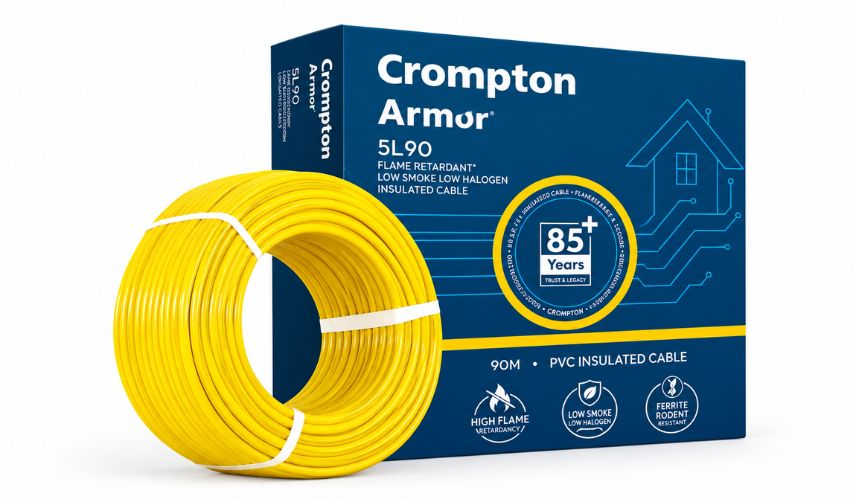
Why a Reliable Electrical System Matters in Every Home
Electricity has become an essential part of everyday life. Lighting, fans, refrigerators, televisions, computers, air conditioners, kitchen appliances, water heaters, and many other household devices all depend on a properly designed electrical system. While homeowners often pay attention to switches, sockets, lights, and appliances, the wiring hidden behind walls and ceilings is equally important.
A home’s electrical system consists of several interconnected components that work together to distribute electricity safely. Wiring provides the pathways through which electrical current travels from the main supply and distribution equipment to individual circuits and appliances. Understanding how this system works can help homeowners make better decisions when building, renovating, or maintaining a property.
What Is Electrical Wiring?
Electrical wiring refers to the arrangement and installation of conductors, cables, protective devices, switches, outlets, and other components used to distribute electrical power throughout a building.
In simple terms, wiring creates a network that allows electricity to travel from the electrical supply to different parts of a home. Different circuits can be designed for lighting, sockets, kitchen appliances, air conditioners, water heaters, and other electrical loads.
The wiring system needs to be planned according to the electrical requirements of the property. Factors such as the expected load, conductor size, insulation, circuit length, installation method, and protective devices all play an important role.
For homeowners, understanding the basics of wiring can make it easier to recognize the importance of quality Wires And Armor and professional electrical installation.
How Does Home Wiring Work?
Electricity enters a property through the main electrical supply and reaches the home’s distribution system. From there, it is divided into different circuits that supply various areas and appliances.
Each circuit typically includes conductors that carry electrical current and protective devices designed to disconnect the supply when an electrical fault or excessive current occurs.
For example, one circuit may supply lighting points, while another may supply general-purpose sockets. High-load appliances such as air conditioners or water heaters may require dedicated circuits depending on their electrical requirements.
The purpose of this arrangement is to distribute electrical power efficiently while providing suitable protection for the installation.
Main Components of a Home Wiring System
A residential electrical system includes several components that work together to distribute and control electricity.
Electrical Conductors
Conductors provide the path through which electrical current flows. Copper is commonly used in residential applications because of its electrical conductivity, flexibility, and durability.
Different types of Wires And Armor are available with different conductor sizes and insulation characteristics depending on their intended application.
Distribution Board
The distribution board is an important part of a home’s electrical system. It receives electrical power and distributes it to individual circuits.
Protective devices such as circuit breakers are generally installed in the distribution board to help protect circuits from excessive current and faults.
Circuit Breakers
Circuit breakers are protective devices designed to interrupt electrical supply when specified fault or overload conditions occur.
Using appropriately rated protective devices is an important part of safe electrical installation.
Switches
Switches allow users to control electrical circuits. They are commonly used to turn lights, fans, and other electrical equipment on or off.
Electrical Sockets
Sockets provide connection points for portable appliances and equipment. Their placement and circuit arrangement should be planned according to the expected electrical requirements of the home.
Earthing System
Earthing provides an important safety path for fault currents. A properly designed earthing system works together with protective devices to help reduce electrical hazards.
Different Types of Home Wiring
Residential wiring can be designed in different ways depending on the building structure, electrical requirements, and installation method.
Concealed Wiring
Concealed wiring is installed inside walls, ceilings, conduits, or other concealed pathways. It is commonly preferred in modern residential construction because the electrical installation remains largely hidden from view.
Proper planning is particularly important because accessing concealed wiring later can require additional work.
Surface Wiring
Surface wiring is installed on visible surfaces using suitable conduits, channels, or other protective arrangements.
It can be useful in situations where concealed installation is not practical, such as certain renovation or retrofit projects.
Conduit Wiring
Conduits provide a pathway and protective enclosure for electrical conductors. They can help organize wiring and provide protection against certain forms of mechanical damage.
The type and size of conduit should be appropriate for the number and size of conductors being installed.
Understanding Different Wires And Armor
Choosing appropriate Wires And Armor is an important part of electrical installation. Different products are designed for different loads, environments, and performance requirements.
Single-Core Wires And Armor
Single-core products contain one conductor surrounded by insulation. They are commonly used for fixed electrical installations and can be suitable for various residential circuits.
The appropriate conductor size should be determined according to the circuit’s electrical requirements.
Multi-Core Wires And Armor
Multi-core products contain multiple individually insulated conductors within a common outer covering.
They can be useful when several conductors need to be routed together, depending on the application and product specifications.
Flexible Wires And Armor
Flexible products are generally made using multiple fine conductor strands. This construction allows greater flexibility and can be useful in appliances, equipment, and applications where movement or bending is required.
The current, voltage, temperature, and insulation ratings should always be checked before use.
Understanding Wire Sizes
The conductor size is an important consideration when designing a home electrical system. Different applications can require different conductor sizes depending on their expected electrical load.
Common sizes include 0.75 MM, 1 MM, 1.5 MM, 2.5 MM, 4 MM, and 6 MM.
However, selecting the correct size is not simply a matter of choosing a larger or smaller conductor. The expected current, cable length, installation method, ambient temperature, grouping, voltage drop, and applicable standards should be considered.
1 MM Wires And Armor

1 MM products may be suitable for certain low-load electrical applications when their specifications meet the circuit requirements.
1.5 MM Wires And Armor

1.5 MM products are commonly associated with suitable residential lighting circuits and other applications where their rated capacity is appropriate.
2.5 MM Wires And Armor
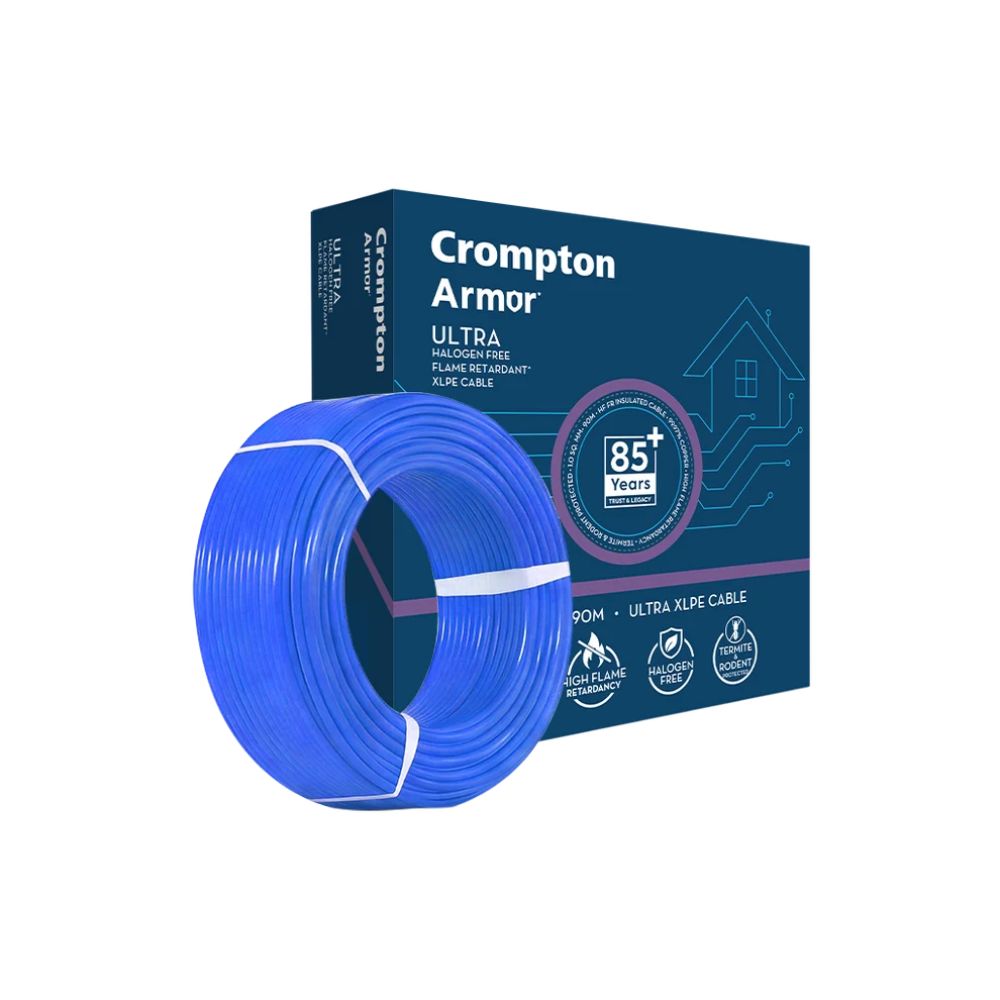
2.5 MM products can be considered for suitable socket and appliance circuits that require a higher conductor capacity than typical lighting circuits.
4 MM and 6 MM Wires And Armor
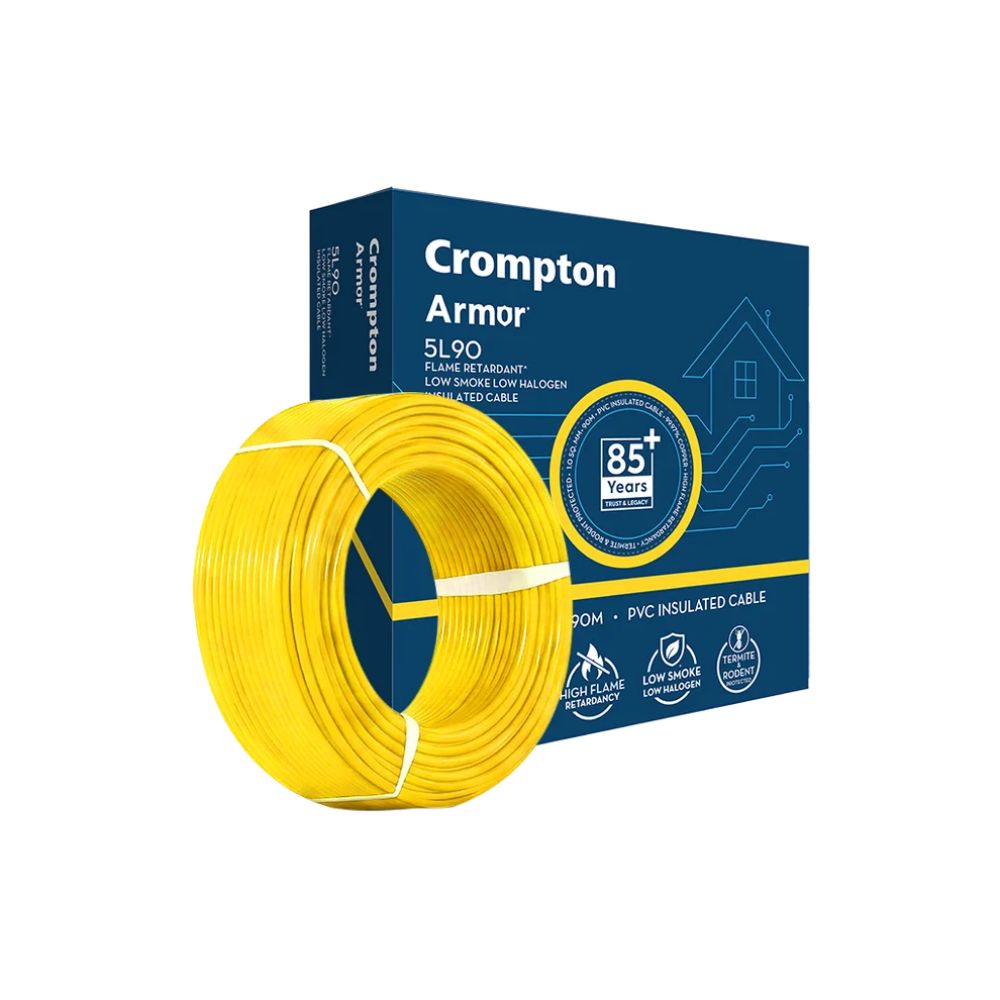
4 MM and 6 MM products can be considered for higher-load applications when required by the electrical design. The final selection should be based on load calculations and installation conditions rather than size alone.
Types of Insulation Used in Wiring
Insulation protects the conductor and helps prevent unwanted electrical contact. Different insulation types can provide different characteristics.
PVC Insulation
PVC-insulated Wires And Armor are widely used in residential and commercial electrical installations. They can provide electrical insulation and resistance to common environmental conditions.
FR Insulation
FR stands for Flame Retardant. FR products are designed with insulation intended to resist flame propagation under specified testing conditions.
FRLS Insulation
FRLS stands for Flame Retardant Low Smoke. These products are designed to combine flame-retardant characteristics with reduced smoke emission under specified test conditions.
HFFR Insulation
HFFR stands for Halogen Free Flame Retardant. These products are designed using insulation materials intended to provide halogen-free characteristics along with low-smoke and reduced corrosive gas properties under specified conditions.
The appropriate insulation should be selected according to the installation requirements and product specifications.
How Wiring Is Planned for Different Areas of a Home
Every part of a home can have different electrical requirements. Good electrical planning separates circuits according to their intended loads.
Living Room and Bedroom
Lighting, ceiling fans, televisions, computers, chargers, and other general appliances may be supplied through suitable circuits.
The number and location of sockets should be planned according to how the room will be used.
Kitchen
The kitchen can have several high-load appliances, including refrigerators, microwave ovens, induction appliances, ovens, mixers, and other equipment.
Electrical circuits should therefore be planned according to the expected load rather than treating every socket as identical.
Bathroom
Bathrooms require additional attention because electrical equipment may be installed in areas where moisture is present. Appropriate electrical protection, positioning, and installation practices are important.
Air Conditioner
Air conditioners can place significant loads on electrical circuits. Depending on the appliance and installation design, a dedicated circuit may be required.
The appropriate Wires And Armor, protective device, and circuit arrangement should be selected according to the appliance requirements.
Water Heater
Water heaters can also be high-load appliances. Their circuits should be designed according to the appliance rating and applicable electrical requirements.
Important Factors to Consider When Choosing Wiring
Selecting electrical wiring requires more than choosing a conductor based on appearance or price.
Electrical Load
The expected current is one of the most important factors when selecting Wires And Armor. The conductor must be suitable for the intended load under the actual installation conditions.
Cable Length
Longer cable runs can result in voltage drop. Cable length should therefore be considered when planning electrical circuits.
Installation Method
Wiring installed inside conduits, grouped with other conductors, or exposed to particular environmental conditions may have different allowable current capacities.
Temperature
Ambient and operating temperatures can affect the performance of electrical conductors and insulation.
Insulation
The insulation type should match the requirements of the installation. PVC, FR, FRLS, and HFFR products can have different characteristics.
Quality and Standards
Homeowners should purchase electrical products from reliable sources and check the manufacturer’s specifications, markings, ratings, and applicable standards before installation.
Common Home Wiring Mistakes to Avoid
Using the Same Size Everywhere
Different circuits can have different electrical loads. Using one conductor size throughout an entire home without proper calculation may not be appropriate.
Overloading Circuits
Connecting too many high-load appliances to one circuit can create excessive electrical demand. Circuits should be designed according to their intended loads.
Ignoring Voltage Drop
Long cable runs can cause voltage drop. This should be considered during electrical planning, particularly for circuits covering greater distances.
Poor Connections
Loose or improperly made electrical connections can affect circuit performance and create additional heating. Connections should be installed correctly by a qualified professional.
Choosing Only on Price
The lowest-cost product is not necessarily suitable for every application. Conductor material, size, insulation, ratings, manufacturing quality, and applicable standards should all be considered.
Why Professional Wiring Installation Is Important
Electrical wiring should be planned and installed carefully because mistakes can affect the safety and performance of an entire property.
A qualified electrician can calculate electrical loads, select suitable Wires And Armor, plan circuits, install protective devices, provide appropriate earthing, and ensure that connections are properly made.
Professional installation is particularly important when installing high-load appliances, modifying existing circuits, renovating a property, or constructing a new home.
How to Maintain Home Wiring
Although much of a home’s wiring remains hidden, homeowners should still pay attention to signs of electrical problems.
Frequent circuit breaker trips, damaged insulation, loose sockets, unusual heating around electrical connections, flickering lights, or burning smells should not be ignored.
Electrical inspections can help identify problems before they become more serious. Any damaged wiring or electrical component should be inspected by a qualified electrician rather than repaired through temporary solutions.
How to Choose the Right Wires And Armor for Your Home
Start by identifying the electrical requirement of each circuit. Consider whether the circuit will supply lighting, sockets, kitchen appliances, air conditioners, water heaters, or other loads.
Next, determine the expected current and consider cable length, installation method, temperature, and environmental conditions. Select an appropriate conductor size and insulation type based on these requirements.
Before purchasing, check the product specifications carefully. Look at the conductor material, size, insulation, voltage rating, applicable standards, and manufacturer information.
For important residential electrical circuits, professional advice can help ensure that the selected Wires And Armor and protective equipment are appropriate for the installation.
Conclusion
Electrical wiring is the network that allows electricity to reach different parts of a home and power everyday appliances and equipment. A properly planned system includes suitable conductors, insulation, circuit breakers, switches, sockets, distribution equipment, and earthing.
Understanding the basics of wiring helps homeowners appreciate why conductor size, insulation type, electrical load, cable length, installation method, and circuit protection all matter. Products such as single-core, multi-core, flexible, FR, FRLS, and HFFR Wires And Armor can serve different applications depending on their specifications.
Whether you are constructing a new home, renovating an existing property, or replacing old electrical components, wiring should never be selected based only on appearance or price. Proper electrical planning, quality Wires And Armor, suitable protection, and professional installation can help create a reliable electrical system designed for long-term residential use.


