


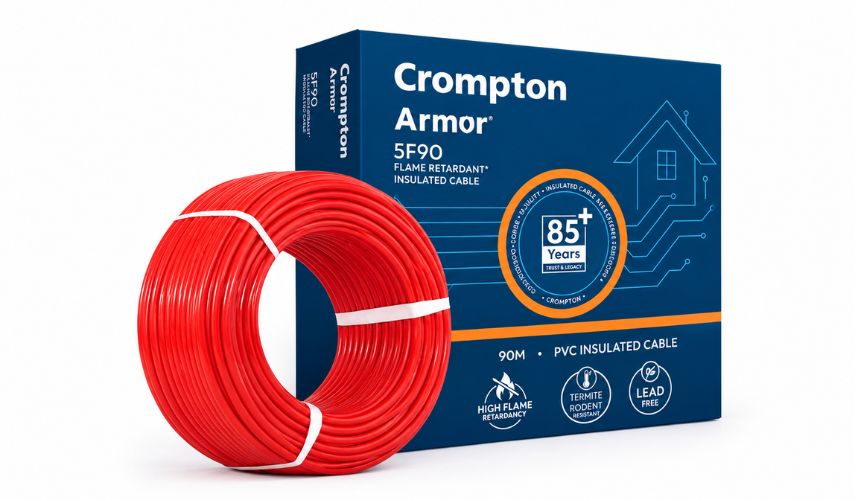
What Makes a Home Electrical System Reliable?
Modern homes depend on electricity for almost everything, from lighting and ceiling fans to refrigerators, televisions, air conditioners, water heaters, kitchen appliances, and other equipment. A reliable electrical system needs properly planned circuits, suitable protection, quality components, and the right type of electrical wiring for each application.
Although electrical wires may look similar, they are available in different sizes, conductor materials, insulation types, and constructions. The requirements of a lighting circuit can be very different from those of an air conditioner or water heater. Selecting an unsuitable product can affect electrical performance and may create unnecessary safety concerns.
This is why understanding Wires And Armor, their different types, sizes, insulation options, and applications is important when planning electrical wiring for a home.
Understanding Wires And Armor
Electrical wiring products are designed to carry electrical current from one point to another while providing appropriate insulation and protection. Depending on their construction, they can be used in residential, commercial, industrial, and specialized electrical installations.
The basic construction generally consists of a conductor surrounded by insulation. Some products can also include additional protective layers depending on their intended application.
Conductor
The conductor is the part through which electrical current flows. Copper is widely used in residential electrical installations because of its good conductivity, flexibility, and durability.
Aluminium is also used for certain electrical applications because of its lower weight and other characteristics. The appropriate conductor material should be selected according to the electrical design and intended application.
Insulation
Insulation surrounds the conductor and helps prevent unwanted electrical contact. It also provides protection against environmental conditions.
Different types of Wires And Armor can use different insulation materials, including PVC, FR, FRLS, and HFFR, depending on the required characteristics.
Common Types of Wires And Armor
There are several types of Wires And Armor available for different electrical applications. Their suitability depends on factors such as circuit load, installation method, flexibility requirements, and environmental conditions.
Single-Core Wires And Armor
Single-core products contain one conductor surrounded by insulation. They are commonly used for fixed electrical installations and can be suitable for lighting circuits, switchboards, and distribution systems.
The appropriate conductor size should always be selected according to the expected electrical load and installation requirements.
Multi-Core Wires And Armor
Multi-core products contain multiple individually insulated conductors within a common outer covering. This construction can be useful when several conductors need to be routed together.
The number of cores and conductor size can vary according to the intended electrical application.
Flexible Wires And Armor
Flexible products use multiple fine strands of conductor, allowing them to bend more easily than many rigid conductor constructions.
They can be suitable for appliances, equipment, control applications, and other situations where flexibility is required. Their current, voltage, temperature, and insulation ratings should be checked before installation.
Types of Wires And Armor Based on Insulation
Insulation is an important consideration when selecting electrical wiring. Different insulation categories offer different characteristics.
PVC Wires And Armor
PVC-insulated products are widely used in residential and commercial electrical installations. PVC provides electrical insulation and resistance to common environmental conditions.
These products are available in different sizes and specifications and can be used for many general electrical applications.
FR Wires And Armor
FR stands for Flame Retardant. FR products use insulation designed to resist the spread of flame under specified test conditions.
They can be considered for installations where flame-retardant characteristics are required.
FRLS Wires And Armor
FRLS stands for Flame Retardant Low Smoke. These products are designed to combine flame-retardant characteristics with reduced smoke emission under specified fire-test conditions.
FRLS Wires And Armor can be considered for locations where smoke reduction is an important requirement.
HFFR Wires And Armor
HFFR stands for Halogen Free Flame Retardant. These products use insulation materials designed to avoid halogens and can provide low-smoke and reduced corrosive gas characteristics during fire conditions, depending on the specific product standard.
They can be useful in applications where these characteristics are required.
Understanding Different Sizes of Wires And Armor
Electrical wiring is available in various conductor sizes. Common sizes used for different applications include 0.75 MM, 1 MM, 1.5 MM, 2.5 MM, 4 MM, and 6 MM.
However, wire size should not be selected simply by looking at an appliance’s wattage. Expected current, cable length, installation method, ambient temperature, grouping of conductors, voltage drop, and applicable standards should also be considered.
0.75 MM Wires And Armor
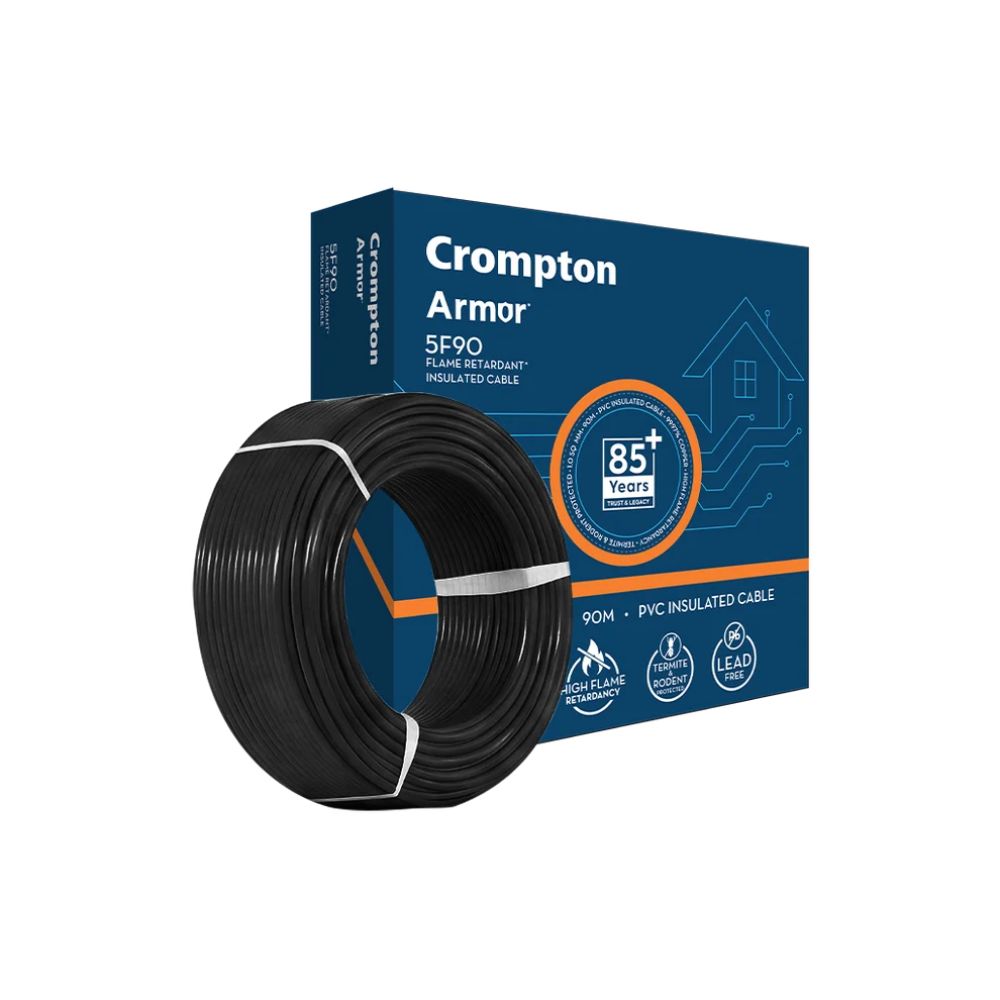
0.75 MM products may be suitable for certain light-duty applications when their electrical and installation ratings meet the requirements of the intended use.
The suitability of this size depends on the particular circuit and product specifications.
1 MM Wires And Armor

1 MM products can be used for certain low-load electrical applications where their rated capacity is suitable.
The expected current and installation conditions should be checked before selecting this size.
1.5 MM Wires And Armor

1.5 MM products are commonly associated with residential lighting and other suitable electrical circuits.
Their actual suitability depends on the circuit design, expected load, installation method, and applicable requirements.
2.5 MM Wires And Armor
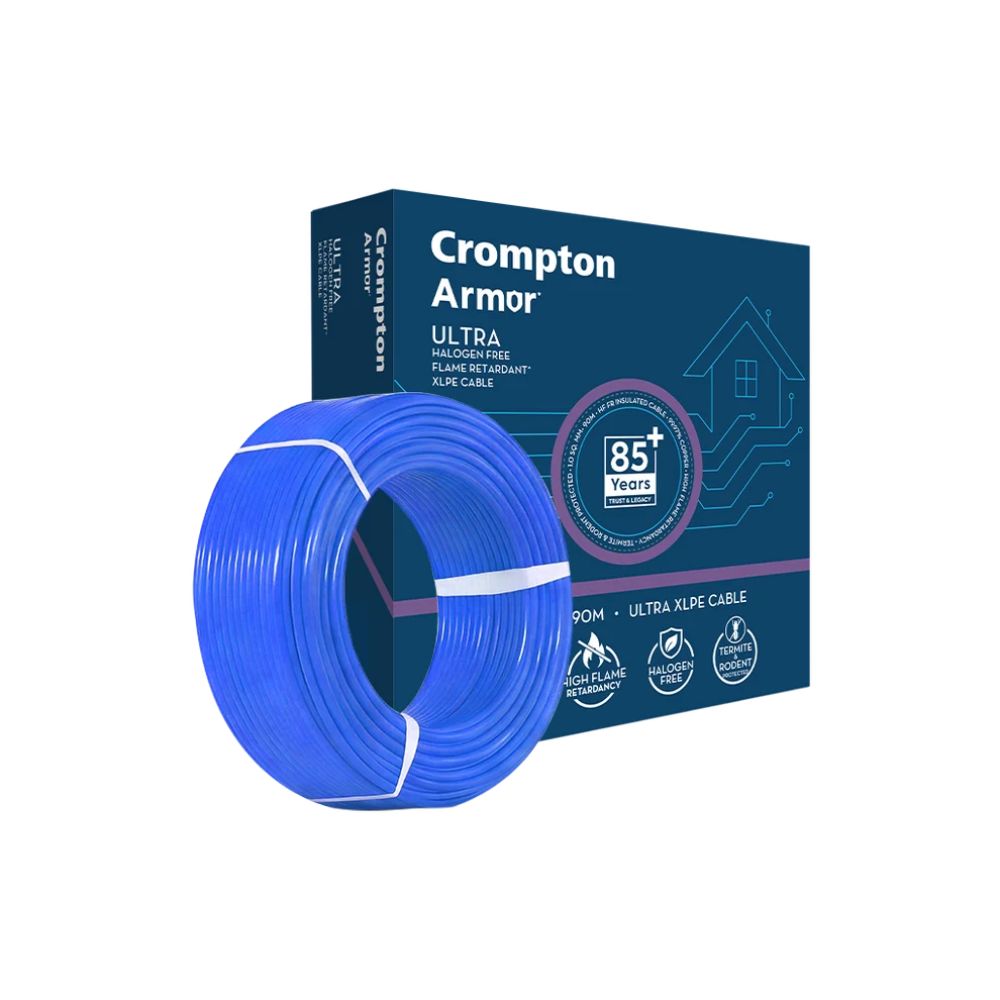
2.5 MM products are commonly considered for circuits carrying more load than typical lighting circuits.
They may be suitable for selected socket and appliance circuits when their electrical ratings match the requirements of the installation.
4 MM Wires And Armor
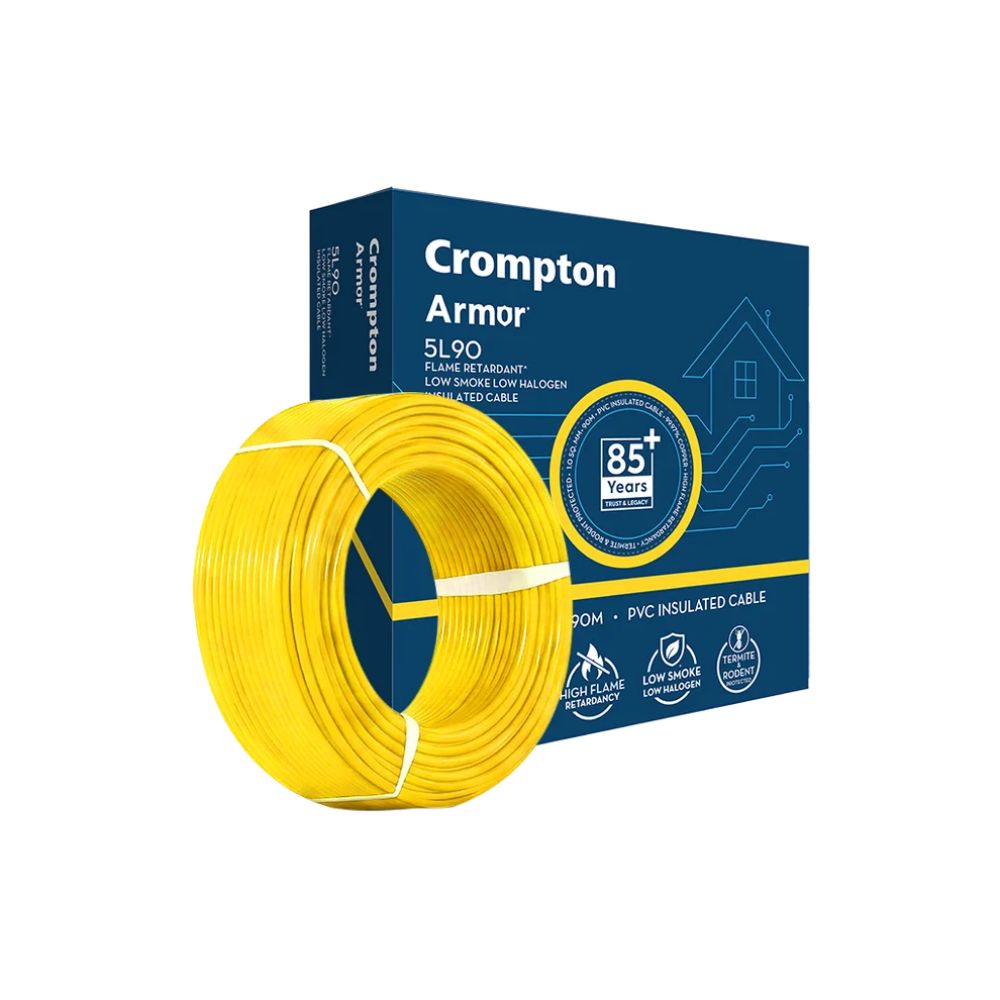
4 MM products can be considered for circuits requiring a higher conductor capacity. They may be suitable for selected appliances and electrical circuits depending on the calculated load.
6 MM Wires And Armor

6 MM products are generally considered for higher-load applications. They may be used for suitable heavy-load circuits or distribution applications when the electrical design requires this conductor size.
These sizes are general examples and should not be treated as universal recommendations. The final selection should be based on actual circuit requirements and applicable electrical standards.
Choosing Wires And Armor for Different Home Applications
Different household appliances and electrical circuits have different power requirements. Therefore, selecting the correct Wires And Armor starts with understanding the intended application.
Lighting Circuits
Lighting circuits generally have lower electrical loads than circuits supplying heavy appliances. However, the selected products should still have an appropriate current capacity, voltage rating, and insulation specification.
Socket Circuits
Power sockets may supply multiple appliances, so the expected circuit load should be considered carefully. The selected Wires And Armor and circuit protection should be appropriately matched to the electrical requirements.
Air Conditioner Circuits
Air conditioners can require considerable electrical power. Depending on the appliance and installation, a dedicated circuit may be appropriate.
The selected Wires And Armor should be suitable for the manufacturer’s electrical requirements, expected current, cable length, installation conditions, and circuit protection.
Water Heater Circuits
Water heaters can be high-load appliances and require suitable electrical planning. The wiring should be selected according to the appliance rating and electrical installation requirements.
Kitchen Appliances
Microwave ovens, induction appliances, ovens, refrigerators, dishwashers, and other kitchen equipment can have different electrical requirements.
Rather than assuming that the same Wires And Armor can be used for every appliance, each circuit should be assessed according to its expected electrical load.
Important Factors to Consider Before Buying Wires And Armor
Selecting electrical wiring involves several considerations beyond conductor size.
Conductor Material
Check whether the product uses copper, aluminium, or another conductor material suitable for the intended application.
Current-Carrying Capacity
The selected Wires And Armor must be capable of carrying the expected current under the actual installation conditions.
Current-carrying capacity is one of the most important factors when choosing electrical wiring.
Voltage Rating
Always check that the product has an appropriate voltage rating for the electrical system where it will be installed.
Temperature Rating
The surrounding temperature can affect electrical performance. Areas exposed to higher temperatures may require products with suitable temperature ratings.
Insulation Type
Consider whether PVC, FR, FRLS, HFFR, or another insulation type is appropriate for the installation environment and safety requirements.
Cable Length
Longer cable runs can result in voltage drop. Cable length should therefore be considered when selecting Wires And Armor.
Installation Method
The installation method can affect allowable current capacity. Products installed inside conduits, grouped together, exposed to heat, or installed under other specific conditions may require additional consideration.
Copper vs Aluminium Wires And Armor
Copper and aluminium are both used as electrical conductor materials, but they have different characteristics.
Copper is widely used for residential Wires And Armor because of its high electrical conductivity and flexibility.
Aluminium is lighter and can be useful for selected applications. However, its use requires appropriate consideration of conductor size, connections, termination methods, and installation requirements.
The choice should be based on the electrical design, application, applicable standards, and installation requirements rather than price alone.
Common Mistakes to Avoid
Selecting Only by Price
Price should not be the only consideration when purchasing Wires And Armor. Compare conductor material, size, insulation, ratings, manufacturing quality, and applicable standards.
Using the Same Size Everywhere
Different circuits have different electrical loads. Lighting, sockets, air conditioners, water heaters, and other appliances may require different conductor sizes.
Ignoring Voltage Drop
Long cable runs can experience voltage drop. Ignoring cable length can affect electrical performance.
Ignoring Installation Conditions
Heat, grouping, conduit installation, and surrounding conditions can affect the performance and allowable capacity of Wires And Armor.
Not Checking Product Specifications
Always check product markings and packaging before purchasing. Important information may include conductor size, insulation type, voltage rating, manufacturer details, and applicable standards.
Tips for Safe Installation
Choosing suitable Wires And Armor is only one part of a safe electrical installation. Correct installation and appropriate circuit protection are equally important.
Electrical circuits should use suitably rated protective devices. Connections should be secure, circuits should not be overloaded, and damaged insulation should be inspected and addressed.
Major electrical installations, modifications, and repairs should be carried out by a qualified electrician. Professional installation helps ensure that wiring, circuit protection, connections, earthing, and other electrical components work together correctly.
How to Select the Right Wires And Armor for Your Home
Start by identifying the appliance or circuit where the product will be installed. Determine the expected electrical load and consider cable length, installation method, and environmental conditions.
Next, select the appropriate conductor material and size. Compare insulation options such as PVC, FR, FRLS, and HFFR according to the requirements of the installation.
Before purchasing, check the manufacturer’s specifications, conductor size, insulation type, voltage rating, and applicable standards. For important residential circuits, professional electrical advice can help determine the appropriate Wires And Armor and protective equipment.
Conclusion
Choosing suitable electrical wiring is essential for creating a dependable residential electrical system. Different Wires And Armor products vary in conductor material, size, construction, flexibility, insulation, current capacity, and environmental performance.
Single-core, multi-core, flexible, FR, FRLS, and HFFR options can serve different purposes depending on their specifications. Similarly, sizes such as 1 MM, 1.5 MM, 2.5 MM, 4 MM, and 6 MM can be used for different electrical applications when appropriately selected.
The right Wires And Armor should be selected according to the circuit load, conductor material, size, insulation type, voltage rating, cable length, installation method, and applicable standards. Avoid selecting electrical products based solely on price or appearance.
With suitable Wires And Armor, proper circuit protection, quality installation, and regular inspection, homeowners can build an electrical system designed for reliable long-term performance.


