


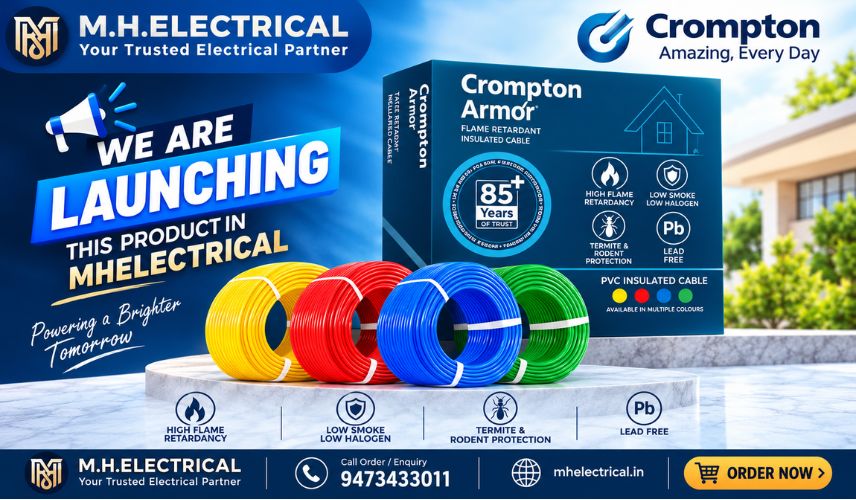
Choosing Reliable Wiring for a Safer and More Efficient Home
A home’s electrical wiring plays a major role in everyday safety, performance, and convenience. From lighting and fans to refrigerators, air conditioners, water heaters, computers, and other appliances, every electrical load depends on a properly selected and installed wire. Choosing the right wire is therefore not simply about selecting a suitable size; it also involves considering insulation, current capacity, installation conditions, temperature resistance, and the type of electrical load.
When researching Wires And Armor, homeowners and electricians should look beyond price and focus on electrical performance, durability, insulation quality, and suitability for the intended application. A properly selected wiring system can reduce the risk of overheating, voltage-related problems, insulation damage, and premature replacement.
Why Electrical Wire Selection Matters
Electrical wires carry current from the distribution board to switches, lights, sockets, and appliances. If a wire is incorrectly sized or unsuitable for the application, it can become excessively warm under load. Over time, this may affect insulation and electrical reliability.
Good-quality Wires And Armor are designed to provide dependable current transmission while protecting the conductor with suitable insulation. Selecting the correct wire also helps maintain stable electrical performance throughout the home.
Several factors should be considered before purchasing electrical wiring:
- Required current capacity
- Conductor material
- Wire size
- Insulation type
- Voltage rating
- Installation method
- Ambient temperature
- Expected electrical load
- Flexibility requirements
- Applicable safety standards
Understanding Different Types of Electrical Wires
There is no single electrical wire that is ideal for every application. Different areas of a home require different characteristics. Understanding the available options makes it easier to choose suitable Wires And Armor for each circuit.
PVC Insulated Wires
PVC-insulated wires are widely used in residential electrical installations. They generally consist of a copper or aluminium conductor covered with PVC insulation.
Copper PVC wires are particularly common for internal household circuits because copper provides good electrical conductivity and flexibility. PVC insulation helps protect the conductor from moisture, abrasion, and accidental contact when properly installed.
These wires can be used for applications such as:
- Lighting circuits
- Fan connections
- Switchboards
- General-purpose sockets
- Residential distribution circuits
FR Wires
FR stands for Flame Retardant. FR wires are designed with insulation that has improved resistance to the spread of flame compared with standard insulation materials.
For residential electrical installations, FR Wires And Armor can be considered where flame-retardant characteristics are required. They can be useful in locations where additional attention to fire-related electrical safety is important.
However, the correct wire size and installation method remain essential. Flame-retardant insulation does not compensate for an undersized conductor or overloaded circuit.
FRLS Wires
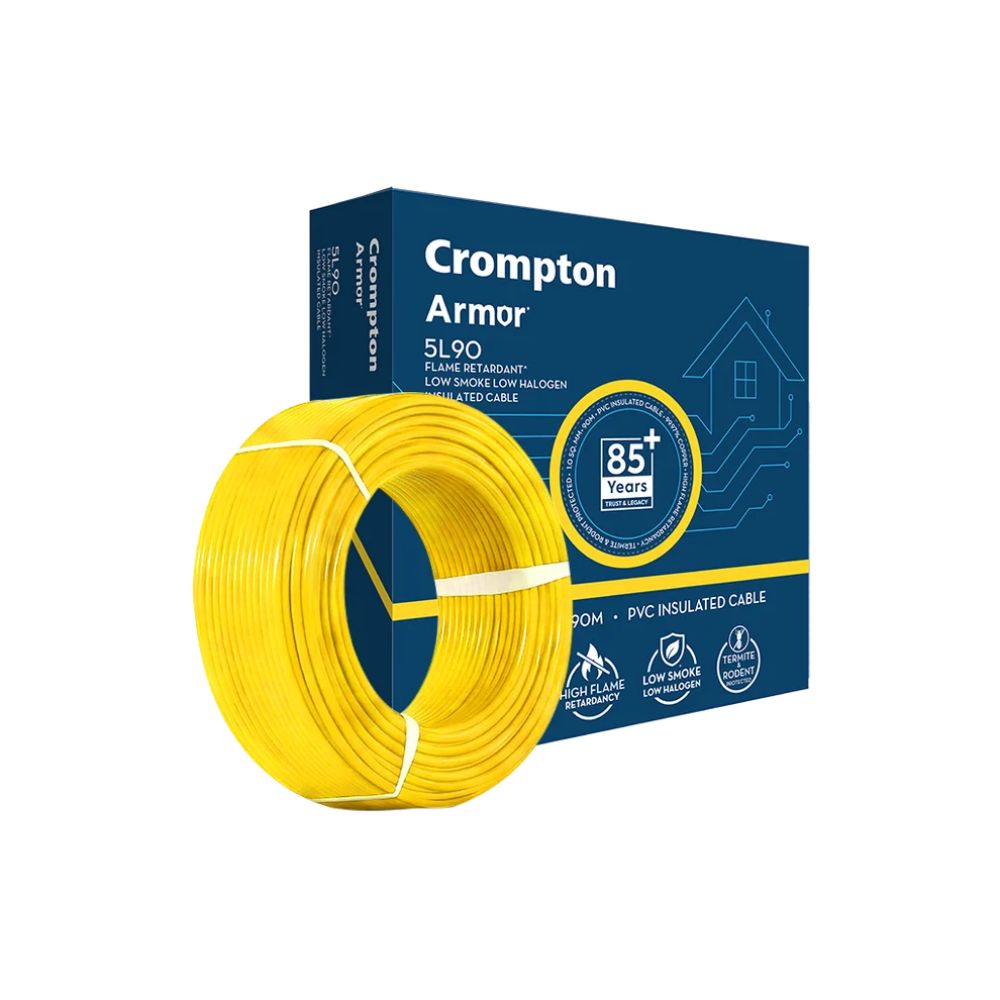
FRLS means Flame Retardant Low Smoke. These wires are designed to reduce flame propagation and smoke generation under specified conditions.
FRLS Wires And Armor can be useful in buildings where smoke reduction is an important consideration, especially in enclosed areas. Lower smoke characteristics can be valuable during an emergency because excessive smoke can reduce visibility and make evacuation more difficult.
These wires may be considered for residential buildings, commercial spaces, offices, and other applications depending on the project’s electrical requirements.
HFFR Wires
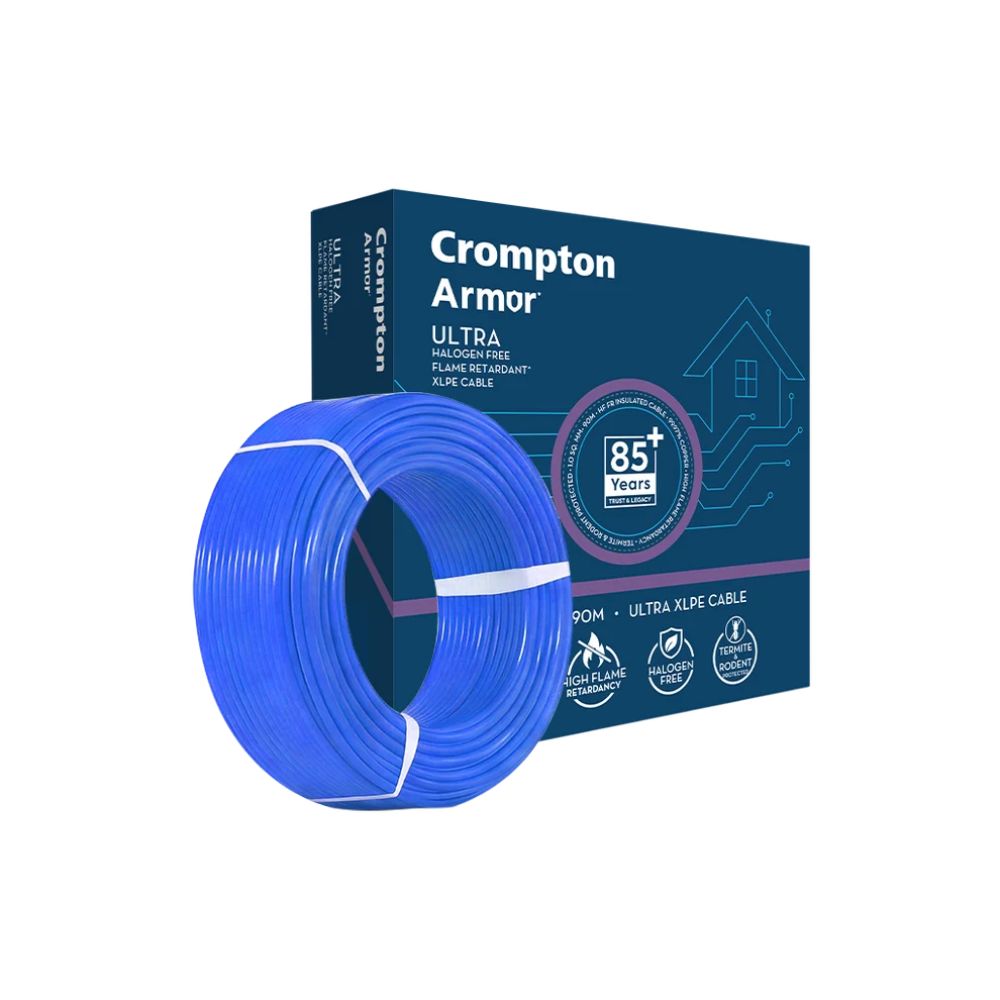
HFFR stands for Halogen Free Flame Retardant. HFFR wires are designed to offer flame-retardant characteristics while avoiding halogen-containing materials in the insulation.
HFFR Wires And Armor can be considered for installations where low smoke and reduced corrosive gas emission characteristics are important. The exact performance depends on the specific product construction and applicable standard.
Choosing the Correct Wire Size
Wire size is one of the most important factors in residential electrical installation. Common sizes include 0.75 sq mm, 1 sq mm, 1.5 sq mm, 2.5 sq mm, 4 sq mm, and 6 sq mm, although the appropriate size depends on the circuit design and expected load.
A larger conductor can generally carry more current than a smaller conductor of the same construction, but the final selection should be based on electrical calculations and applicable installation requirements.
0.75 Sq mm Wire
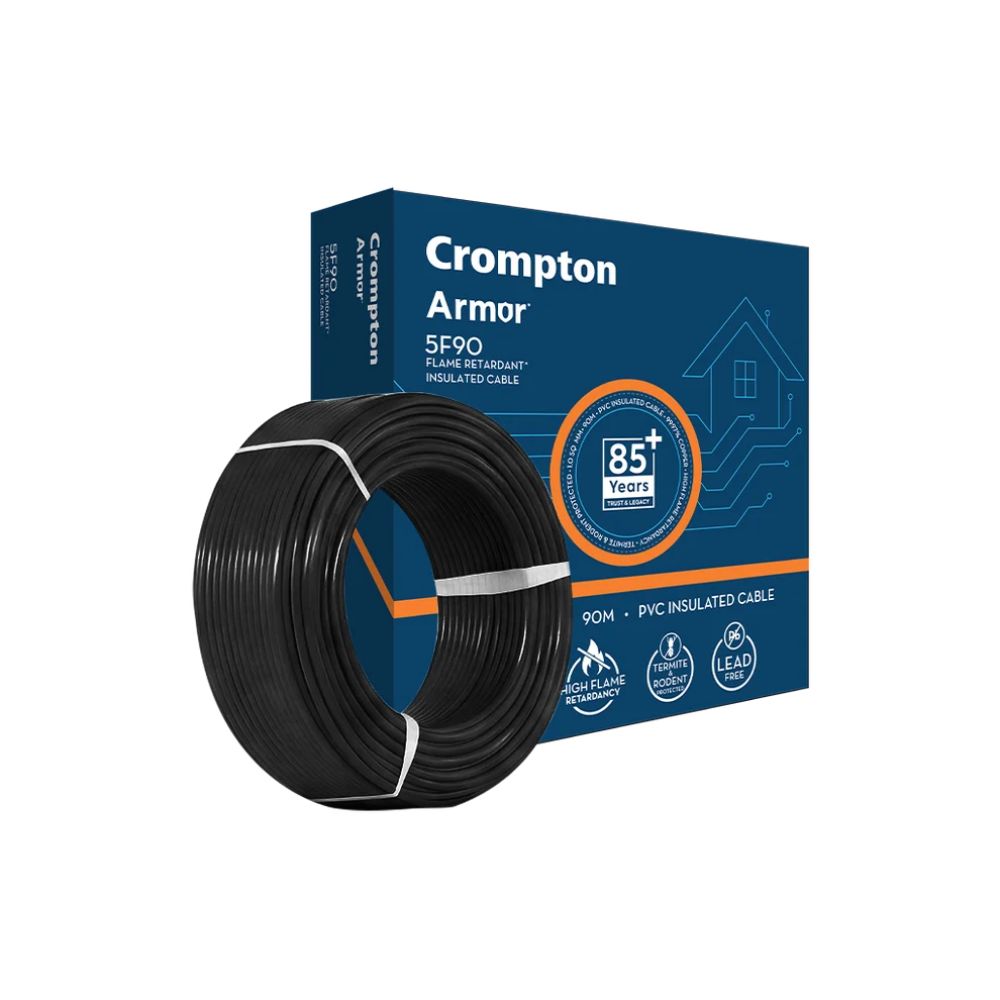
A 0.75 sq mm wire may be suitable for certain low-load applications where permitted by the relevant electrical design and standards. It should not automatically be used for every lighting or appliance circuit.
1 Sq mm Wire

1 sq mm wiring is commonly considered for certain lighting and low-load applications. The actual suitability depends on the connected load, circuit length, installation conditions, and local requirements.
1.5 Sq mm Wire

1.5 sq mm wires are frequently associated with lighting and fan circuits in residential installations. They provide a larger conductor than 1 sq mm and may be appropriate for circuits with higher current requirements within their rated capacity.
2.5 Sq mm Wire
2.5 sq mm wires are commonly used for socket and general-purpose circuits. They can also be considered for moderate electrical loads when their current-carrying capacity is suitable for the application.
4 Sq mm and 6 Sq mm Wires
Larger sizes such as 4 sq mm and 6 sq mm are generally considered for higher-load circuits and specific distribution applications. Their suitability depends on the appliance rating, circuit length, installation method, voltage drop, and protection device.
When selecting Wires And Armor, never choose a conductor size simply because it is commonly used for a particular appliance. Electrical load calculations should determine the appropriate size.
Copper vs Aluminium Conductors
Conductor material is another important consideration when purchasing electrical wires.
Copper offers good electrical conductivity, flexibility, and mechanical characteristics, making copper wiring widely used in residential electrical systems.
Aluminium conductors can provide an alternative where their properties and application requirements make them appropriate. However, installation practices, termination methods, conductor size, and compatibility with connected equipment must be considered carefully.
For many household internal wiring applications, copper Wires And Armor are a popular choice because of their conductivity and flexibility.
How to Select Wires for Different Home Applications
Different electrical circuits can have different requirements. A practical approach is to identify the load before selecting the wire.
Lighting Circuits
Lighting circuits typically have lower power requirements than heavy appliances. The wire should still be selected according to the total circuit load, length, installation conditions, and applicable standards.
Fan Circuits
Fans require wiring capable of safely carrying their operating current. Proper connections and suitable protective devices are equally important.
Socket Circuits
General-purpose sockets may supply several different appliances. Because the connected load can vary, socket circuits often require a suitable conductor size and appropriate circuit protection.
Air Conditioners
Air conditioners can represent a significant electrical load. Their dedicated circuit requirements should be checked against the manufacturer’s specifications and electrical design.
Water Heaters
Water heaters can also draw substantial current. Correct wire sizing, circuit protection, earthing, and installation are particularly important.
For higher-load appliances, selecting Wires And Armor should always be based on the appliance rating and professional electrical calculations rather than guesswork.
Key Features to Check Before Buying Electrical Wires
Before purchasing residential wiring, compare more than conductor size.
Conductor Quality
Check whether the conductor is made from the specified material and meets the required electrical and manufacturing standards.
Insulation Quality
The insulation should be suitable for the intended voltage, temperature, environment, and installation method.
Voltage Rating
Always verify that the wire’s voltage rating is appropriate for the electrical system in which it will be installed.
Current-Carrying Capacity
The wire should be capable of safely carrying the expected load under the actual installation conditions.
Flexibility
Flexible wiring can make installation easier in certain residential applications, particularly around switches, distribution boards, and fixtures.
Standards and Certification
Look for products manufactured according to relevant Indian or applicable international standards. Certified products provide greater assurance that the specified electrical and construction characteristics have been evaluated against applicable requirements.
Why Proper Installation Is as Important as Wire Quality
Even high-quality Wires And Armor cannot provide their intended performance if they are incorrectly installed.
Electrical installation should consider:
- Correct conductor sizing
- Proper termination
- Appropriate circuit breakers
- Effective earthing
- Suitable conduits
- Correct routing
- Protection from mechanical damage
- Avoidance of excessive conductor heating
- Proper separation where required
Loose terminals can increase resistance and generate heat. Overloaded circuits can also create excessive thermal stress. Therefore, professional installation is an important part of residential electrical safety.
Common Mistakes to Avoid When Selecting Electrical Wires
Homeowners sometimes make wiring decisions based only on price. This can create problems later.
One common mistake is choosing a smaller wire because it costs less. Another is using the same wire size for every circuit regardless of load. Selecting wires without considering voltage drop can also affect performance on longer circuits.
Other mistakes include:
- Ignoring the installation environment
- Buying products without checking specifications
- Mixing unsuitable conductors and accessories
- Using poor-quality connectors
- Overloading socket circuits
- Ignoring earthing requirements
- Failing to inspect old wiring
- Selecting a wire solely by brand or appearance without checking its specifications
A proper assessment of Wires And Armor should consider the complete electrical application rather than one specification alone.
Improving Electrical Safety Through Better Wiring Practices
Good wiring design combines appropriate conductors, protective devices, earthing, and professional installation. Circuit breakers and other protective equipment should be correctly rated for the circuits they protect.
Periodic inspection can also help identify damaged insulation, loose connections, overheating, or deteriorating accessories. Older homes may require an electrical assessment before adding high-power appliances or increasing the electrical load.
When renovating a home, it can be useful to review the entire electrical distribution system rather than simply replacing visible switches and sockets.
Why Quality Matters for Long-Term Performance
Electrical wiring is generally installed inside walls, conduits, ceilings, and other areas that are difficult to access after construction. Replacing poor-quality wiring later can therefore be expensive and disruptive.
Choosing appropriate Wires And Armor at the installation stage can support reliable electrical distribution over the expected service life of the installation. Quality insulation, suitable conductor construction, correct sizing, and proper installation all contribute to long-term performance.
Final Considerations Before Choosing Home Wiring
The best electrical wire for a home depends on the specific circuit, electrical load, installation environment, conductor requirements, insulation type, and applicable standards. Instead of selecting wiring based solely on price or popularity, homeowners should compare technical specifications and obtain advice from a qualified electrician.
From PVC and FR wires to FRLS and HFFR options, different Wires And Armor can serve different electrical requirements. The important point is to match the product to the application and ensure that the complete electrical system is correctly designed and installed.
For any residential wiring project, safety should remain the primary consideration. Correct wire sizing, quality insulation, suitable protection, proper earthing, and professional installation work together to provide dependable electrical performance and help create a safer home.


