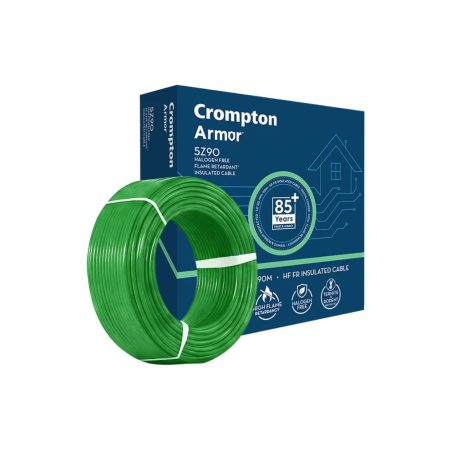
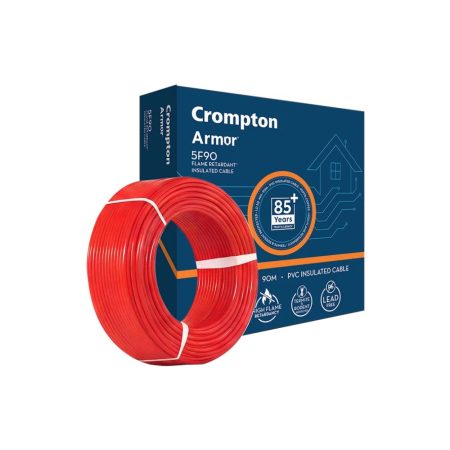
Electrical wires are an essential part of every residential, commercial, and industrial electrical system, providing a reliable path for transmitting electrical power from one point to another. Choosing the right Wires is important for maintaining safe, efficient, and dependable electrical connections. Different applications require different wire sizes, conductor materials, insulation types, and performance characteristics. From household lighting and sockets to heavy-duty electrical equipment, suitable Wires help support consistent electrical performance and reduce the risk of overheating and other wiring-related issues.
Wires are available in different types to suit specific electrical requirements. Common options include flame-retardant wires, flexible wires, PVC-insulated wires, and low-smoke low-halogen wires. Each type is designed with particular insulation and performance characteristics. The right Wires should be selected according to the installation environment, electrical load, safety requirements, and intended application.
Wire size is generally measured in square millimetres (SQMM). Common sizes include 0.75 SQMM, 1 SQMM, 1.5 SQMM, 2.5 SQMM, 4 SQMM, and 6 SQMM. Smaller sizes can be suitable for certain low-load applications, while larger sizes are generally selected for circuits with higher electrical loads. The appropriate Wires size should be determined according to the electrical design and requirements of the circuit.
Good-quality Wires should provide suitable electrical conductivity, durable insulation, and reliable performance for their intended application. Copper conductors are widely used because of their good electrical conductivity. Proper insulation helps protect the conductor and supports safe operation under specified conditions.
Safety is an important consideration when selecting Wires for any electrical installation. Flame-retardant and other specialized insulation options can provide additional performance characteristics depending on the application. Correct sizing, appropriate insulation, and professional installation are also important for achieving dependable results.
Wires are commonly used in homes, offices, shops, factories, warehouses, commercial buildings, and other electrical installations. They can be used for lighting circuits, power outlets, appliances, distribution systems, control applications, and various electrical connections.
Before purchasing Wires, consider the expected electrical load, wire size, conductor material, insulation type, voltage rating, installation method, and applicable safety standards. Selecting the right product according to the specific application can help improve electrical reliability and service performance.
Reliable Wires are essential for creating safe and efficient electrical systems. By considering wire size, insulation, conductor quality, electrical load, and installation requirements, users can select suitable wiring for different applications. Choosing products from a trusted electrical supplier such as M.H.Electrical can also help customers find suitable wiring solutions for residential, commercial, and industrial requirements.
Showing all 6 results
Electrical wires are an essential part of every residential, commercial, and industrial electrical system, providing a reliable path for transmitting electrical power from one point to another. Choosing the right Wires is important for maintaining safe, efficient, and dependable electrical connections. Different applications require different wire sizes, conductor materials, insulation types, and performance characteristics. From household lighting and sockets to heavy-duty electrical equipment, suitable Wires help support consistent electrical performance and reduce the risk of overheating and other wiring-related issues.
Wires are available in different types to suit specific electrical requirements. Common options include flame-retardant wires, flexible wires, PVC-insulated wires, and low-smoke low-halogen wires. Each type is designed with particular insulation and performance characteristics. The right Wires should be selected according to the installation environment, electrical load, safety requirements, and intended application.
Wire size is generally measured in square millimetres (SQMM). Common sizes include 0.75 SQMM, 1 SQMM, 1.5 SQMM, 2.5 SQMM, 4 SQMM, and 6 SQMM. Smaller sizes can be suitable for certain low-load applications, while larger sizes are generally selected for circuits with higher electrical loads. The appropriate Wires size should be determined according to the electrical design and requirements of the circuit.
Good-quality Wires should provide suitable electrical conductivity, durable insulation, and reliable performance for their intended application. Copper conductors are widely used because of their good electrical conductivity. Proper insulation helps protect the conductor and supports safe operation under specified conditions.
Safety is an important consideration when selecting Wires for any electrical installation. Flame-retardant and other specialized insulation options can provide additional performance characteristics depending on the application. Correct sizing, appropriate insulation, and professional installation are also important for achieving dependable results.
Wires are commonly used in homes, offices, shops, factories, warehouses, commercial buildings, and other electrical installations. They can be used for lighting circuits, power outlets, appliances, distribution systems, control applications, and various electrical connections.
Before purchasing Wires, consider the expected electrical load, wire size, conductor material, insulation type, voltage rating, installation method, and applicable safety standards. Selecting the right product according to the specific application can help improve electrical reliability and service performance.
Reliable Wires are essential for creating safe and efficient electrical systems. By considering wire size, insulation, conductor quality, electrical load, and installation requirements, users can select suitable wiring for different applications. Choosing products from a trusted electrical supplier such as M.H.Electrical can also help customers find suitable wiring solutions for residential, commercial, and industrial requirements.